
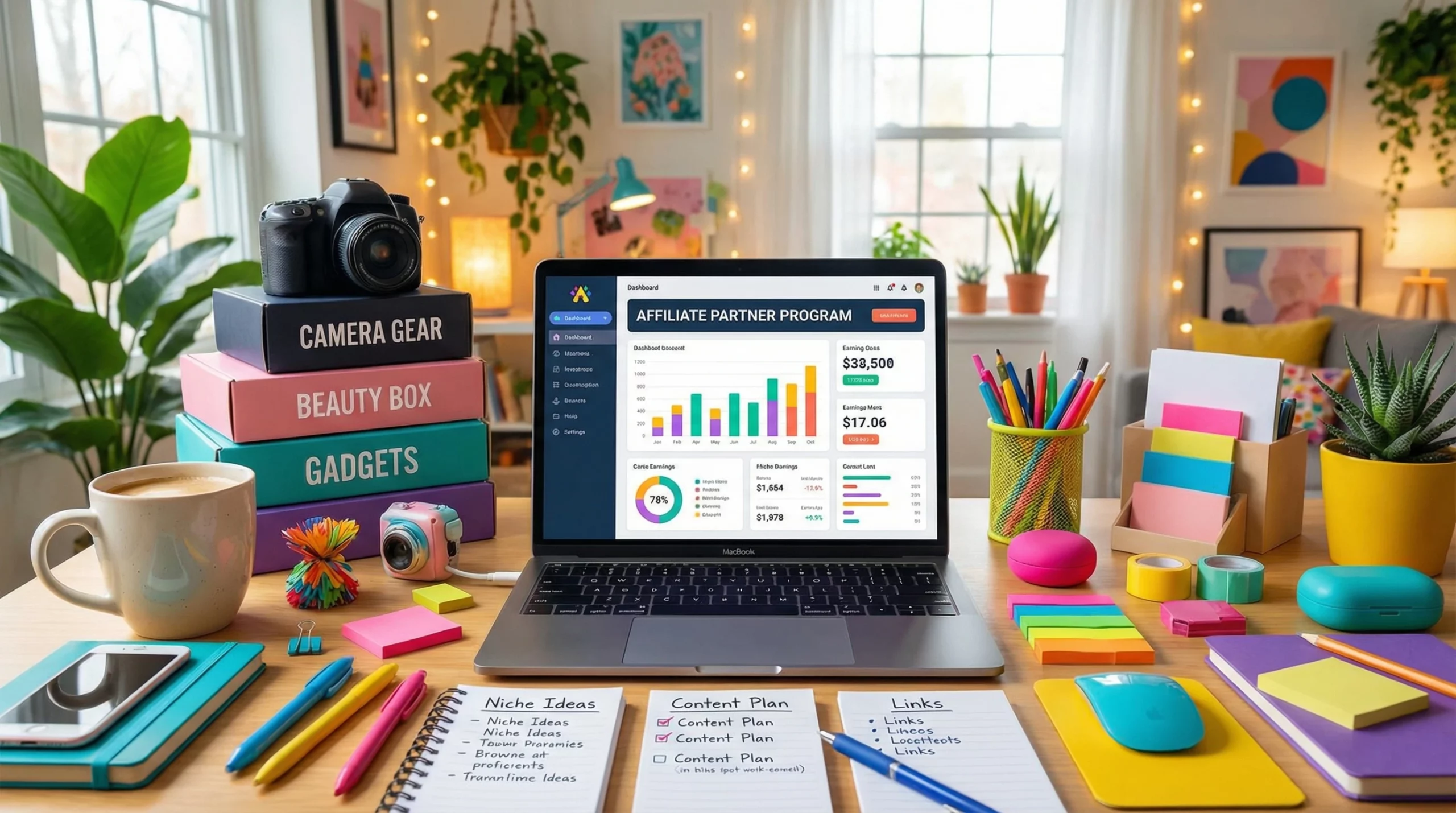
If you’re getting into affiliate marketing, I know it can feel pretty overwhelming to sort through all the different affiliate programs.
Everybody makes big promises, but not every program is really suited for new bloggers or even worth your time. I’ve spent my fair share of nights scrolling through endless offers, so I want to make it easier for you to start smart and avoid wasted effort.

A Beginner-Friendly Step Checklist for Picking Affiliate Programs
The whole process can be confusing if you jump in without a plan. Here’s an 8-step outline that’s practical and works well for new bloggers just starting with affiliate marketing:
- Define Your Niche and Audience. Could you be clear about who your readers are and what problems you help them solve?
- Choose Products You Understand (or Can Test). You can focus on stuff you already use or can try out. Authentic reviews convert better.
- Check the Product’s Value and Reputation. Research products before promoting to ensure they have a reliable track record.
- Review Commission Structure and Payouts. Look at percentage rates, cookie durations, minimum payouts, and payment methods.
- Check Affiliate Program Credibility and Support. You can go with programs that have clear terms and offer help when you need it.
- Assess Content Fit and Promotion Ease. Could you make sure the affiliate product fits naturally with your blog topics?
- Analyze Competition and Market Demand. Use keyword tools to see if people are actually searching for what you’ll promote.
- Start Small, Track Results, and Optimize. Don’t overload yourself with too many links: track performance and stick with what works.
Why Picking the Right Affiliate Programs Really Matters
Choosing affiliate programs isn’t something you want to rush. The right fit can mean steady passive income, long-term blog growth, and a trusting relationship with your readers. On the other hand, picking programs that don’t match your audience or feel spammy can tank your reputation and even get you banned from specific networks. Blogs with authentic, helpful recommendations tend to convert readers into buyers much better than those crammed with random, off-topic links.
Affiliate marketing has been around for decades, but it’s changed a lot recently. Big brands are competing for new affiliates, making it easier for beginners to find entry-level programs with lower barriers to entry. Still, there’s a sea of competition out there, which makes careful selection extra important. Taking your time to pick what actually fits your blog saves you energy and creates trustworthy recommendations your readers appreciate.
Getting Started: Understand Your Blog’s Niche and Audience
Everything good in affiliate marketing starts with knowing your audience. If you haven’t already pinned down your blog’s focus, it’s worth taking a step back.
Are your readers parents, gamers, budget travelers, or DIYers? What challenges do they have, and how can you help solve those with quality products or services?
For example, if your blog is all about staying fit at home, affiliate programs offering home workout gear, nutritional supplements, or digital coaching might be a great fit. On the flip side, promoting automotive parts wouldn’t really vibe with your audience and probably won’t make many sales.
It pays off to spend a little extra time digging into your analytics or surveying your blog visitors to understand what they need most. The more tuned in you are to your audience, the easier it is to spot products or services they’ll genuinely appreciate.
Choosing Products You Really “Get” or Can Test Out
Recommending something you know nothing about is super tempting, especially with some flashy commissions out there, but it usually backfires. The best results come when you promote things you’ve personally used or at least understand well. Your readers can spot fake enthusiasm, so real experience wins every time.
If you haven’t used a product, think about whether you can test it out, or at least collect enough reliable, unbiased reviews to talk about it honestly. Brands that offer free trials or sample products to affiliates are pretty handy for this stage. When you’re transparent about your experience, even sharing why you chose a product or what to look out for, you come across as honest and helpful rather than salesy. That boosts your long-term credibility.
Check the Product’s Value and Reputation
It’s worth checking the reputation of every product you might recommend. Take a look at customer reviews, not just on the product’s site but also on third-party sites. Search for any brand controversies, unmet refunds, or a ton of unresolved complaints.
Here’s a quick way to vet products:
- Look up independent reviews on Trustpilot or G2.
- Google the brand plus “scam” or “complaints” to see if anything sketchy comes up.
- Check refund or return policies; legit brands make returns easy.
If you wouldn’t recommend the product to a good friend, it’s best to skip it. Take time to research the company and get a feel for how they treat their customers. This little extra effort pays off when your followers trust you to recommend only what truly works for them.
Understanding Commission Rates, Cookie Durations, and Payouts
Affiliate programs are all about commissions, but rates aren’t everything. Here’s what I look for when comparing programs:
- Commission Rate: Is it a percentage or flat payout? Some niches, like software or online courses, pay higher rates, while physical products may pay lower rates.
- Cookie Duration: How long after someone clicks your link will you get commission credit? Thirty to ninety days is pretty standard, but longer is always better for most beginners.
- Payment Threshold: Minimum payout; can you cash out at $10, or do you need to wait until you hit $100?
- Payment Methods: PayPal and direct deposit are the easiest for beginners; checks and wire transfers can be a hassle.
Lower rates can add up if the product is well-priced and your blog audience is a good fit. Don’t overlook reliability in favor of one-time high payouts. Remember, a program with clear terms and fair payment methods is worth more in the long run.
Looking for Credibility, Support, and Good Tracking
New affiliates sometimes get burned by unreliable programs. I stick with programs that are upfront about terms, have clear dashboards for tracking clicks and earnings, and offer real support channels if something goes sideways.
- Terms and Conditions: Read them, because some programs ban specific traffic sources or limit payouts.
- Tracking Reliability: You’ll want accurate data on clicks and conversions. Without proper tracking, you never really know if your efforts are paying off.
- Support Access: Programs that respond to emails or have chat support are way less stressful when you need help.
- Reputation of the Program: Networks like ShareASale, CJ, Impact, and Amazon Associates have big communities and usually treat affiliates fairly.
The better your experience with the network, the more you can focus on creating great content instead of fixing technical headaches or chasing down missing commissions.
Do you know if the Product Fits Your Content Naturally?
The easiest affiliate programs to promote are the ones that make sense in your posts. If you write about gluten-free baking, gluten-free flours, or baking gadgets, they can slot right into tutorials, recipes, and reviews. If you’re forcing a financial software affiliate link into a recipe post, your readers will probably scroll by.
- Does it solve a problem your readers have?
- Can you build tips, how-to guides, or comparison reviews around the product?
- Does it fit naturally with the style and goals of your blog?
If a program feels awkward to mention, it’s usually not worth promoting. The goal is to make affiliate links feel like a seamless addition to your content, not an obvious sales pitch. Over time, this approach helps build loyal readers who come back for your genuine advice.
Figuring Out Demand and Competition
Before you get too excited about a new affiliate product, it helps to know if people actually want it and if you have a shot at ranking your content. Check out Google Trends, pop the product name into Ahrefs or Ubersuggest, or even do some manual searches to see what comes up.
- Are people actively searching for this product or solution?
- How strong is the top-ranking competitor’s content?
- Can you do it better, or focus on a unique angle?
Super crowded markets can be tough for total beginners, while the other extreme is too niche products with no traffic or demand. Try to strike a balance and pick programs where your content can stand out, but that still have enough people searching to make it worthwhile.
Start With a Few Programs, Track, and Adjust
It’s way too easy to sign up for a dozen programs and slap a bunch of links all over your site, but that slows things down and confuses readers. Starting with one or two programs lets you compare results directly and really focus on optimizing your content for conversions.
- Check clickthrough rates (does anyone click your links?)
- Track where conversions are coming from (which blog posts, keywords, or traffic sources?)
- Monitor payouts, cookie durations, and any tracking issues closely.
Use your results to make decisions. Double down on what’s working and replace programs that aren’t earning clicks or commissions. Don’t be afraid to test new programs after you’ve got enough data to see what’s actually connecting with your readers. Being adaptable is key to growing your affiliate income over time.
Common Affiliate Program Questions From Beginners
Here are some things new affiliate marketers often want to know:
Question: Should I join multiple affiliate programs?
Answer: It’s fine to experiment, but I recommend focusing on a couple at first to keep things simple and see what works best for your audience.
Question: Is it okay to promote high-ticket items to beginners?
Answer: Higher-priced products pay more per sale, but they’re usually harder to sell without lots of experience or a highly targeted audience. Starting with reliable, mid-range programs is often easier while you build confidence.
Question: What if a program looks shady but has big commissions?
Answer: Avoid it. Big commissions mean nothing if your blog’s reputation or your readers’ trust takes a hit. Stick with legitimate, respected brands.
Extra Tips for New Affiliate Marketers
Starting fresh? Here are a few practical tips I wish I’d followed right away:
- Read the terms and policies, so you don’t break rules by accident.
- Add clear disclosures wherever you use affiliate links. Your readers appreciate the honesty, and it’s required by law in most places.
- Focus on helping readers, not just making sales. Your best content should solve a real problem and weave the product in naturally.
- Don’t expect overnight results. Affiliate marketing is a long game, but the small wins do add up.

Finding the right affiliate programs takes time, but it’s totally doable with a bit of patience and the right approach. The best programs for beginners are reliable, easy to integrate with your content, and benefit your audience just as much as they help you.
Keep things simple, suggest being picky about what you recommend, and use your early results to steer your blog in the right direction.
Over time, those small commissions will start to grow. That will boost your confidence when picking the next program worth trying.