Affiliate marketing is a gateway to online earning for everyone, offering the potential to connect products with audiences. My own journey began with a simple blog and a few products I already believed in. Learning the basics was my first step, and it paid off over time. I’ll guide you through the workings of affiliate marketing, the key terms to know, and the steps to set up your own side hustle, or even a full-time gig, if you’re committed for the long haul. The potential for success is real, and it’s within your reach.
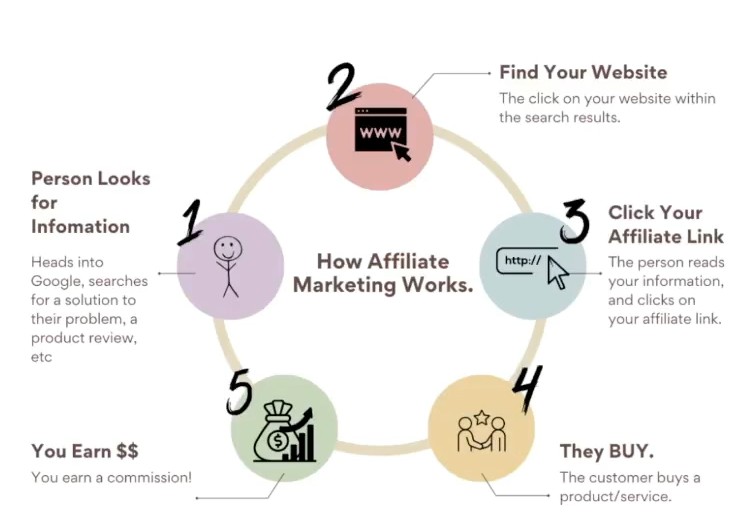
How Affiliate Marketing Works
Affiliate marketing is a business model where you promote someone else’s product or service. When someone buys the product (or takes another action, depending on the company’s terms) after clicking your unique affiliate link, you get a commission. This structure creates a win for all three players:
- The merchant (or seller): Gets more sales without paying for advertising upfront.
- The affiliate (that’s you): Earns without having to create products, deal with customer service, or manage inventory.
- The customer: Tracks down helpful products and gets recommendations tailored to their interests.
Trust is the cornerstone of affiliate marketing. When your recommendations genuinely help your audience, everyone benefits. Blogs, social media accounts, email newsletters, and YouTube channels are all thriving platforms for affiliate marketing. As the industry has evolved, audiences have become more discerning, and advertising methods have shifted towards genuine, value-based content. Adapting to these changes is crucial to maintaining your followers’ trust and staying relevant.
Understanding the Basics: Key Affiliate Marketing Terms
Affiliate marketing comes with its own vocabulary. Here are the ones I found the most useful when I was getting started:
- Affiliate Link: A special URL given to you by a company. It tracks clicks and sales back to your account.
- Commission: The amount you earn when someone purchases via your link. This can be a fixed amount or a percentage of the sale.
- Merchant: The company or seller that owns the product or service.
- Affiliate Network: A platform that connects affiliates and merchants; popular ones include Amazon Associates, ShareASale, and ClickBank.
- Cookie Duration: The length of time after someone clicks your affiliate link that you’ll still get credit for the sale. Some cookies last just 24 hours, while others stretch up to 90 days or more; this one detail can make a massive difference if your audience tends to think before they buy.
- Payout Threshold: The minimum amount you have to earn before you get paid.
Getting into these terms early means you won’t miss important details when choosing programs or building your game plan. For example, understanding cookie duration lets you tweak your strategy for better results, and knowing about payout thresholds ensures you’re not surprised when waiting for your first check. Over time, you’ll pick up more advanced vocabulary, but these basics form the backbone of the industry.
Getting Started in Affiliate Marketing: A Quick Guide
Starting in affiliate marketing doesn’t need to be overwhelming. Here’s what made my adventure smoother, along with some things I wish I’d known near the beginning:
- Pick a Niche You Care About: Narrowing your focus helps build trust and an audience. Choose a subject you enjoy—anything from photography to tech gadgets, travel, cars, fashion, or wellness. The more authentic you sound, the easier it is to stand out in popular categories.
- Build Your Platform: This could be a blog, YouTube channel, social media account, or even an email newsletter. You can go with what feels natural. I started blogging because I love to write, but many people also get into TikTok and Instagram video content and achieve fantastic results.
- Find Affiliate Programs to Join: Look for programs that match your niche and feel legitimate. It’s best to start small—pick two or three solid options that line up with your audience’s interests. As you grow, you can add more partners to diversify your income streams.
- Create Valuable Content: Valuable content is information that is useful, interesting, or entertaining to your audience. I’d like you to focus on content that solves problems for your audience. Product reviews, how-to guides, comparison videos, or list articles (“Top 10 Budget Cameras”) are all examples of valuable content in affiliate marketing. When your content is genuinely helpful, people come back for more.
- Share Affiliate Links Responsibly: Be upfront with your audience by disclosing when you use affiliate links. It maintains transparency and fosters trust, which is essential for long-term success.
- Track Your Results: An affiliate dashboard is a tool provided by affiliate programs that displays which links are generating clicks and earning commissions. Could you monitor what’s working? By noticing patterns, you can double down on what resonates with your followers.

These steps helped me move from confusion to earning my first commission. It’s not a fast path to luxury, but the progress feels great when you look back and see how far you’ve come. Staying consistent and being open to trying new methods ultimately pays off. Networking with other affiliates also helps by offering fresh ideas and support along the way.
Things to Consider Before Getting In
There are a few things that catch most beginners off guard. Here’s what I wish I’d known on day one:
- It Takes Time: Getting traffic and building absolute trust never happens instantly. Patience, combined with consistency, really pays off.
- No Control Over Products: As an affiliate, you can’t change pricing, shipping, or the actual product. Focusing on reputable partners helps avoid headaches.
- Keep Up With Program Rules: Each program comes with its own set of policies on how you can put its links to work. Not following the rules could result in the loss of your earnings. It pays to read the fine print and check your emails for updates from affiliate partners.
- Disclose Your Partnerships: In many countries, it’s legally required to let readers or viewers know you’re using affiliate links. A single, honest sentence does the trick and keeps you on the right side of regulations.
Payout Timelines
Most affiliate programs have a waiting period, sometimes 30, 60, or even 90 days, before they’ll pay out earnings. That accounts for returns and cancellations, helping to keep things fair for all parties. Be sure to factor this schedule into your budgeting for expected income.
Commissions Vary a Lot
Not all products pay the same commission. Some might offer a few percent per sale, while others, such as digital products or software subscriptions, may offer a much higher rate. Always read through the terms so you’re ready for your first payout and can set realistic expectations.
Bouncing Back From Rejection
Some affiliate programs won’t approve new publishers, especially if your site or channel is just getting started. Don’t get discouraged! Programs such as Amazon Associates and Rakuten tend to be more welcoming. Once your platform grows, bigger brands open their doors. Maintaining faith and reapplying after a few weeks can work wonders.
Advanced Tips to Take Your Affiliate Marketing Up a Notch
Once you’ve gotten comfortable with the basics, these strategies can give a boost to your affiliate marketing:
Learn About SEO: Search engine optimization makes it easier for people to stumble upon your content. Use keywords your audience is likely to search for, and organize your site to make it easy to navigate. A little research here pays big dividends over time.
Build an Email List: A growing subscriber list lets you stay in touch, share value, and send affiliate offers directly to people who are already interested. Email gives you control, regardless of social algorithm changes.
Test and Improve Your Content: Small changes, such as adjusting a headline or moving your call to action, can make your content more engaging and improve results. Always look over your data and be willing to experiment to keep things fresh and appealing.
Stay Up to Date: Companies can change their commission rates or rules, or even drop products with little notice. Regularly reviewing your affiliate links and engaging with your niche’s online communities helps you stay ahead of the curve.
Network and Learn: Join affiliate marketing forums, attend webinars, and connect with others in your field to expand your knowledge and stay up to date. You’ll find new ideas, fresh program recommendations, and learn what works for others who are a step ahead in their adventure. Collaborating with others can spark creative ideas and open up new partnership opportunities.
Real-World Applications and Success Stories
Affiliate marketing pops up in more places than you might guess. Here’s how people make affiliate commissions in creative ways:
- Bloggers: Write hands-on product reviews, tutorials, or roundups, such as “Best Fitness Trackers for Beginners” or “Top Kitchen Gadgets for Foodies.”
- Influencers: Share a favorite item with a link in an Instagram Story or demo products on TikTok. The personal connection strengthens their recommendations and boosts clicks.
- YouTubers: Add affiliate links in video descriptions for gear, online courses, or apps they use and explain in the videos why they genuinely recommend those items.
- Email Marketers: Send curated product picks or exclusive deals directly to subscribers. These emails often achieve higher click-through rates because audiences have opted in to receive recommendations.
An especially memorable example is a travel blogger who writes about hiking and uses affiliate links for boots, backpacks, and even travel insurance. The best part: the recommendations never feel forced—they only suggest products they trust and actually use. This authenticity keeps readers coming back and hitting those links. That style can work in almost any niche, and real success often comes from sticking to what you know and love. It’s worth noting that even smaller audiences can yield solid results if you provide honest and helpful advice.
Affiliate Marketing Tools Worth Checking Out
The world of affiliate marketing continues to expand, and numerous tools make the process easier. Here are a few I’ve found to be a game-changer, especially as you grow:
- Link Management Services: Tools like Pretty Links or Thirsty Affiliates help organize, shorten, and cloak affiliate links, making them easier to share and track. As your content library grows, this can save you significant time and make updates simpler.
- Analytics Tools: Google Analytics and built-in affiliate dashboards show which content and links are driving clicks and sales. You can focus your energy where it counts the most.
- SEO Research Tools: Using SEMrush, Ahrefs, or free tools like Uber Suggest helps you track down solid keywords and scout out what competitors are doing to win search traffic.
- Email Marketing Platforms: ConvertKit and Mailchimp help you keep in touch with your audience, create automated series, and announce new products or deals. Email remains one of the most reliable channels for most affiliates.

Getting familiar with even one or two of these tools early makes your process smoother and helps you grow without feeling overwhelmed. As your website or channel gains momentum, easy organization and robust analytics become even more crucial for informed decision-making.
Additionally, monitoring trends in your niche using social listening tools or following industry news can alert you to new products, seasonal opportunities, or changes in commission rates. A little research here and there can mean bigger profits down the road.
Frequently Asked Questions
Here are some questions I get a lot about affiliate marketing, especially from folks just starting:
Question: Is it possible to start an affiliate marketing business?
Answer: Yes, most people can sign up for affiliate programs. Some networks impose country restrictions or minimum site-traffic requirements; however, numerous beginner-friendly programs are available for all skill levels.
Question: How much money can I make?
Answer: Income varies a lot. Some affiliates earn a modest income, while others turn it into a full-time career. Results depend on your audience size, niche, and the amount of effort you put in. Consistency is the common theme among those who do well.
Question: What’s the best way to find affiliate programs in my niche?
Answer: A quick search using “your niche + affiliate program” typically yields numerous options. Reputable companies often mention their affiliate program at the bottom of their website. Networks like ShareASale or CJ Affiliate list hundreds of brands in one spot, making comparisons simple.
Question: How do I disclose affiliate links?
Answer: I usually add a short line, like “This post contains affiliate links, which means I might get a commission if you buy through my link.” The Federal Trade Commission (FTC) provides straightforward guidelines for blogs, videos, or social media. A transparent, honest approach builds reader trust and keeps you compliant.
Question: Can I do affiliate marketing on social media?
Answer: Absolutely! Instagram, TikTok, Facebook, Twitter, and Pinterest all allow affiliate links, though some require using link-in-bio services or special formats. Always check the rules for your platform and adjust your approach accordingly if the rules change.
Wrapping Up: What to Expect From Your Affiliate Marketing Adventure
Affiliate marketing gives you the flexibility to earn online, often while sharing topics you actually care about. Building trust, producing valuable content, and experimenting with different methods carried me through the early steps toward more consistent results.
Results won’t happen overnight; consistency and honesty go a long way. If you’re patient, affiliate marketing is worth checking out. Take it step by step, keep your audience front and center in your plans, and you’ll see progress over time.
A little upfront effort can open the door to ongoing income, new skills, and some next-level cool experiences along the way. Giving affiliate marketing a try could change the way you look at online content and income—and maybe even your daily routine—for good.