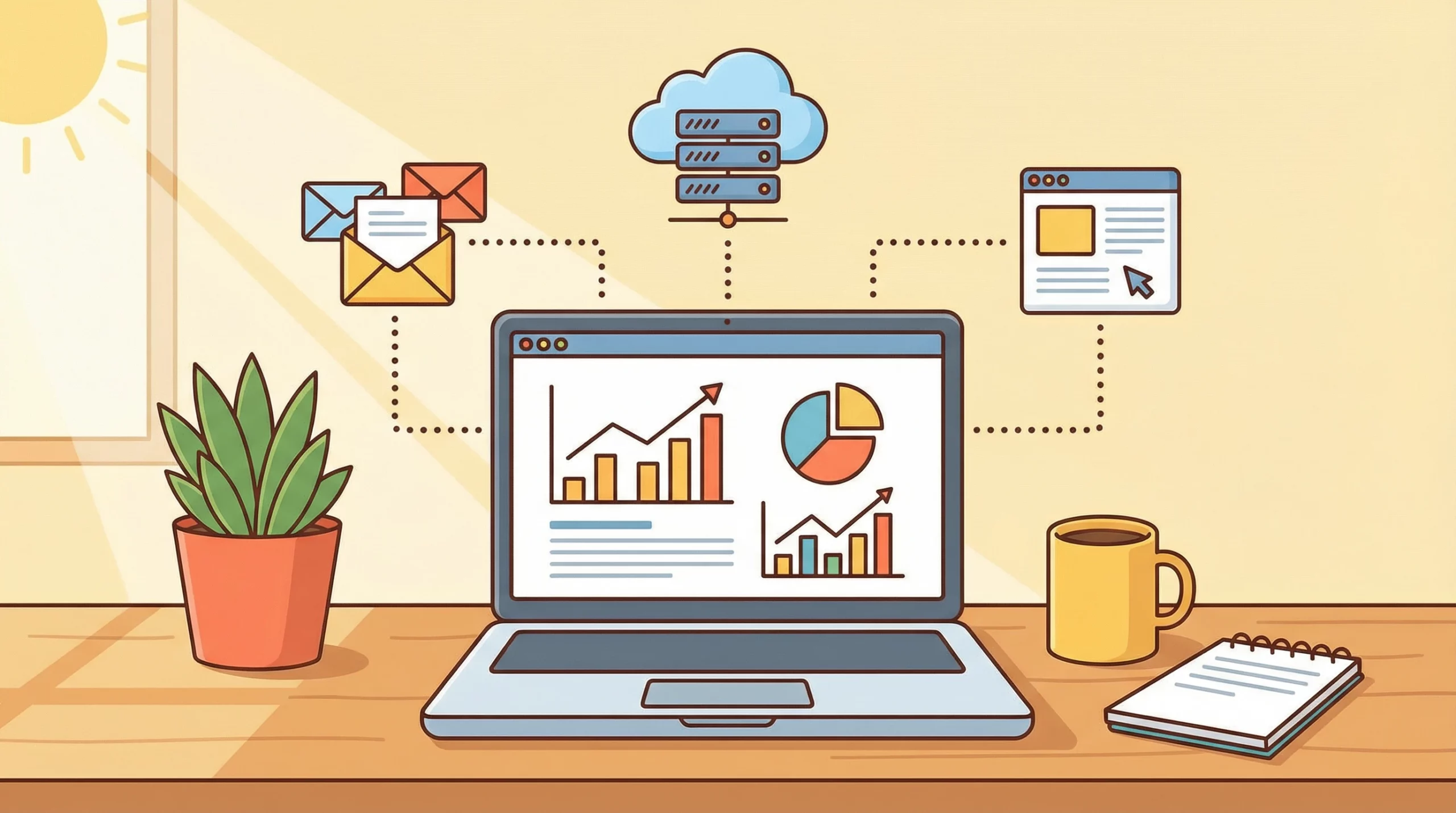
Affiliate marketing is one of those fields where having the right tools can totally change how far and fast you can go. Especially if you’re starting, choosing what to set up first can feel like putting together a giant puzzle.
There’s a lot of hype around quick wins, but the truth is: building a reliable system takes a little planning at the start. Let’s break down the essential tools every affiliate marketing beginner should know about (and actually use), so you can start strong and avoid common stumbling blocks.

Why Affiliate Marketing Needs the Right Tools From Day One
Affiliate marketing is all about recommending products and earning commissions, but there’s way more to it than just posting links on your favorite platform. If you want to earn steady passive income, you’ll want to approach it seriously, almost like you’re setting up a real online business. That means having some technology on your side, especially for managing content, understanding what your audience wants, and tracking those all-important clicks and sales.
In the last decade, affiliate marketing has really gained ground. According to Statista, U.S. affiliate marketing spending is projected to reach around $8.2 billion by 2022. As more people join in, those who set up solid systems right off the bat do the best. Whether your goal is to earn extra income or take this full-time, investing in a good setup gives you flexibility, valuable insights, and helps you build an audience that actually trusts what you recommend.
The 8 Essential Tools All Affiliate Marketing Beginners Should Consider
I’ve broken things down into eight key tools and platforms—here’s what they do for you, with some beginner-friendly options to explore:
- Website Platform (Your Online Home Base)
Every affiliate marketer needs a website or blog that they control. A self-hosted WordPress site is a great pick for most beginners. With thousands of free plugins and themes, it’s flexible and adaptable. If WordPress feels overwhelming, check out Wix—it’s all drag-and-drop, making setup a breeze. - Web Hosting Provider
Your site’s speed and security depend a lot on your host. Bluehost and SiteGround are popular with beginners. Hosting is where your website lives, so picking something reliable is really important. A slow site can cost you rankings and potential commissions. - Keyword Research Tool
Most affiliate sales come from Google searches, so knowing what people are actually searching for makes all the difference. Use a tool like Google Keyword Planner (free and basic), Ubersuggest (budget-friendly), or Ahrefs (with a super detailed suite) to find search terms where your content can stand out—and attract buyers. - SEO Optimization Plugin
If you’re on WordPress, plugins like Yoast SEO or Rank Math help you cover on-page SEO (titles, meta descriptions, readability) without knowing any code. They’re super handy when you want those green lights before hitting publish. - Analytics Tool
If you don’t track your traffic and clicks, you’re basically guessing. Google Analytics is a must-have, and Google Search Console is perfect for seeing how your content appears in search results. Both are free and easy to set up. - Email Marketing Platform
Building an email list gives you a direct line to your audience. You can share new reviews, hot deals, and helpful tips straight to people who care about your niche. ConvertKit is loved by bloggers for its straightforward approach, while Mailchimp is free to start and covers the basics well. - Affiliate Network
This is where you actually find affiliate programs and products to promote. Amazon Associates has almost everything under the sun. ClickBank is packed with digital offers, and ShareASale gathers SaaS products and smaller brands. These places give you dashboards for tracking clicks, sales, and commissions. - Link Tracking & Management Tool
Managing many affiliate links can get complicated. Pretty Links makes even the messiest links look clean and simple on WordPress. For advanced tracking and serious analytics, ClickMagick is excellent. Both let you keep your links up to date and catch errors before they cost you sales.
Understanding and Setting Up Each Essential Tool
1. Building Your Website: Why WordPress Still Wins
Having a website gives you control that social media platforms never will. Posting on Instagram or Twitter is fine, but a blog is something you own and nurture for the long haul. WordPress makes it easy to create posts, add images, and change your design without coding. If the options seem overwhelming, it’s best to start with a trusted theme and focus on steadily adding new content. If all of that feels like too much, Wix is a straightforward, drag-and-drop publishing option for just getting your first site live.
2. Hosting Basics: Simple, Fast, and Reliable
Hosting can sound confusing, but it’s really just the computer where your website lives. Bluehost is a go-to for WordPress and sometimes includes a free domain in the first year, saving you a few dollars. SiteGround costs a little more per month, but their support and site speed are great. Starting with a respected host saves you headaches as your site and visitor numbers grow.
3. Keyword Research: What People Are Actually Searching For
No matter how helpful your content is, it won’t get noticed if no one is searching for it. Keyword research tools show you how often people type in specific terms each month, how tough the competition is, and how likely you are to hit Google’s front page. Ubersuggest is wallet-friendly, and Ahrefs is super detailed if you want to dig into analytics later. Even a free option like Google Keyword Planner can spark content ideas for newbies.
4. SEO Plugins: Making Google Happy
Yoast SEO and Rank Math help you get your site structure, titles, and descriptions in line for search engines. Both provide instant feedback and tips, using color-coded suggestions, even if you know nothing about technical SEO. Plug these in as soon as your site is live for easy optimization wins.
5. Tracking Your Progress: Using Google Analytics and Search Console
Plug Google Analytics into your site to see how many people visit, where they come from, and what pages grab their attention. This data lets you see which posts are stars and which ones need a little help. Google Search Console zooms in on your search traffic, showing keywords and issues that might slow you down. Both platforms are well worth learning, even if they take a couple of hours to master at first.
6. Building Your List: Email Marketing as a Backup Plan
Social algorithms change, and platform rules adapt, but an email list is your own steady resource. ConvertKit and Mailchimp help you collect addresses and send updates about your newest post, exclusive deals, or valuable tips that don’t make it to your public site. People on your list are usually your most loyal followers, so make it a habit to grow your email audience as you build your site.
7. Affiliate Networks: Finding Stuff Worth Promoting
Affiliate networks are like matchmaking platforms that connect you to companies and the products you’ll promote. It’s usually free to join—pick your niche, find interesting programs, and apply. Amazon Associates is newbie-friendly, with millions of products (though commissions start small). ClickBank and ShareASale have broader selections, especially in software and specialty products with bigger payouts.
8. Affiliate Link Tools: Cleaning Up and Tracking Clicks
No one likes clicking a long, confusing URL. Pretty Links lets you create branded, memorable affiliate links and tracks which get the most buzz. This is ideal for blog posts, newsletters, and resource lists. If you’re gearing up for paid ads, ClickMagick’s robust tracking and split testing show you exactly which links are making things happen.
Why Setting Up the Right Tools is Worth Your Time
Laying this foundation means you can:
- Spend your energy on writing and honest recommendations instead of stressing about technical issues
- Spot what’s working and double down on content that delivers results, saving yourself a lot of wasted effort
- Stand out to better affiliate programs as your reputation and skills grow
- Level up to advanced tools only when and if you need them
If you go straight for quick link drops on social media or forums, you might get a few clicks, but building a true long-term income is much harder. A real website, an email list, and genuine traffic data smooth the way for growth and sustainability.
On Affiliate Marketing for Beginners – How Wealthy Affiliate Supports
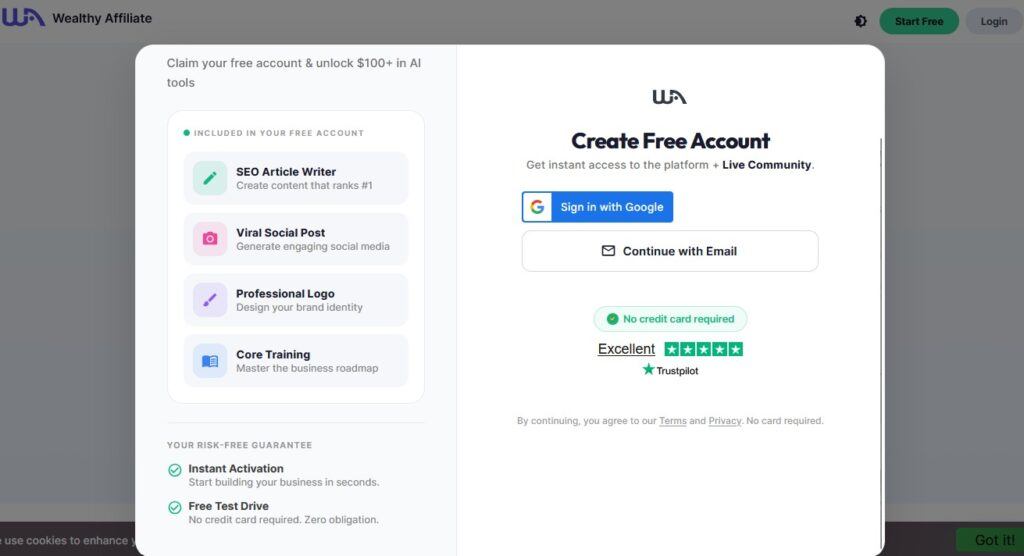
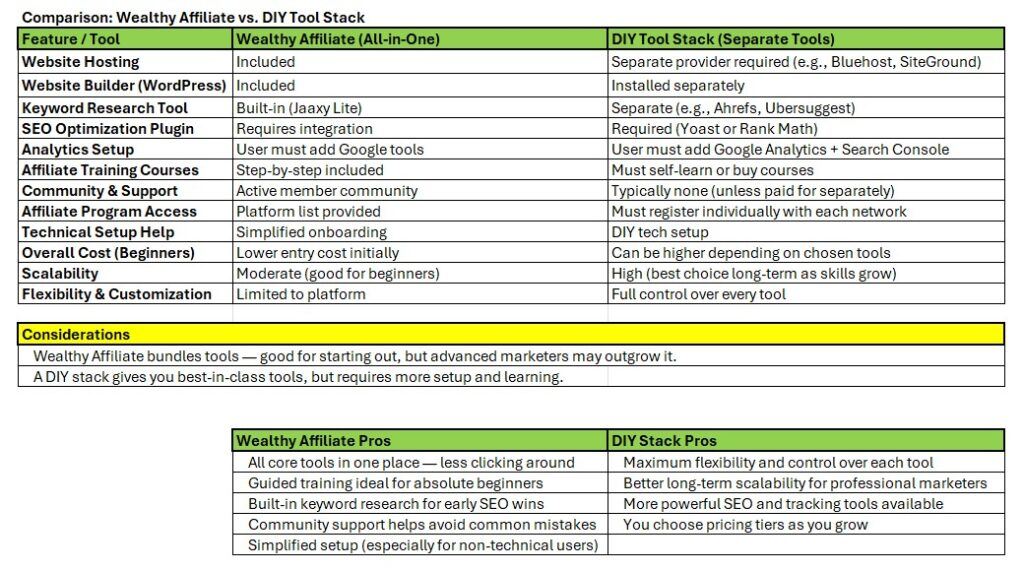
If managing all these tools feels overwhelming, there are all-in-one platforms designed specifically for beginners. Wealthy Affiliate is a leading solution that can make the learning curve smoother, especially if you like step-by-step instructions and want everything bundled in one place.
What You Get With Wealthy Affiliate
People often ask if Wealthy Affiliate is legit for beginning marketers, so here’s what you can expect:
- Website hosting and builder built on WordPress, but with a quick, simplified setup
- Integrated keyword research tool, which means you don’t have to buy Ubersuggest or Ahrefs straight away
- Affiliate program marketplace with a wide range of offers
- On-demand affiliate marketing courses, including deep dives into niche selection, site creation, SEO writing, and affiliate link management
- Mentorship and a lively community for real-time Q&A, troubleshooting, and support
- Beginner-friendly tiers so you can try out the platform risk-free
How Wealthy Affiliate Makes Life Easier for Beginners
- Step-by-step lessons ease confusion and help you build your business in manageable chunks
- No more hours lost hopping between YouTube and endless how-to blogs
- Active community support means you always have a place to ask questions or find fast help if you hit a snag
- Easy website launch, with no hosting or DNS complications to puzzle over
- Built-in keyword tool gives you a quick win for planning your first blog posts and topics
Wealthy Affiliate is a solid choice if you want to get rolling quickly without piecing together a dozen different sites, services, and tools. As you grow, you may still want to seek out more advanced tools, but for learning the ropes and launching your affiliate site, it covers almost everything a beginner needs.
Who Should Look Into Wealthy Affiliate?
- Brand new beginners who want to avoid tech headaches
- People who want coaching support and an interactive Q&A space
- Anyone on a budget who wants to experiment with affiliate marketing before investing in a full toolkit
If you learn quickly on your own and crave maximum control, you can still build your own stack—mixing WordPress, third-party keyword tools, analytics, and more as you see fit. But if you prefer hands-on help and having essentials bundled together, Wealthy Affiliate is definitely worth checking out.
Common Beginner Questions About Affiliate Marketing Tools
New affiliate marketers have similar questions as they tackle their first tech setups. Here are answers to some of the top concerns:
Is a website really necessary for affiliate marketing?
The honest answer is yes. Social media can help with outreach, but a website gives you total control and a central hub for all your content, guides, and affiliate links.
Can I use only free tools when starting?
You can, and lots of beginners do. Just remember that you’ll likely want more flexibility, features, and data later, so be prepared to upgrade as your business grows.
What if I have trouble setting up my site or using these tools?
Most hosts and platforms come with detailed tutorials and support. Also, online communities like Reddit’s r/affiliatemarketing and Facebook groups are packed with people eager to help newbies get through their first struggles.
Is it safe to use free hosting, or should I skip the website and go with social?
Free hosting isn’t ideal—it can be unreliable and slow, and it limits your ability to build a brand over time. Even a basic paid host does a much better job. Relying solely on social networks for affiliate work can be risky and rarely makes for a strong foundation for the long haul.
Extra Tips for Affiliate Marketing Beginners
Affiliate marketing seems easy at first glance, but details matter. Here’s some beginner-friendly advice I wish I followed:
- Start with a niche you care about. Expanding into more products or categories is much easier as your skills and confidence grow.
- Be upfront with your audience. Let them know when you’re using affiliate links, and focus on trust over quick wins.
- Stay curious and keep learning. Tools, search engine rules, and affiliate programs change all the time—adapting quickly is key.
- Connect with others. Forums, private groups, and Slack channels are great for support, building momentum, and finding answers fast.
In Conclusion Summary
Getting your tech stack set up from day one gives affiliate marketing beginners a massive boost and helps avoid time-wasting pitfalls.
With these eight essential tools—or an all-in-one solution like Wealthy Affiliate—you get a running start and enjoy a smoother, longer-lasting business experience.
Put a little effort into the right setup, be honest in your recommendations, and your growth will follow with steady action and patience.
Affiliate marketing isn’t just about dropping links and hoping for clicks—it’s about building a solid foundation that supports long-term growth.
By setting up the right tools from the start—your website, hosting, keyword research, SEO optimization, analytics, email marketing, affiliate networks, and link management—you position yourself to work smarter, not harder. These systems help you understand your audience, track what’s working, and steadily improve your results over time.
While it’s possible to piece everything together on your own using platforms like Amazon Associates, WordPress, and Google Analytics, beginners who prefer structure and guidance may benefit from an all-in-one platform like Wealthy Affiliate.
Whether you choose a custom stack of tools or a bundled solution, the key is taking the time to build a reliable system before chasing fast results.
Affiliate marketing rewards patience, consistency, and trust. When you combine the right technology with honest recommendations and a willingness to keep learning, you create a business that can grow steadily over time. Start with a strong setup, focus on serving your audience well, and let your results compound through steady action.